Provenance
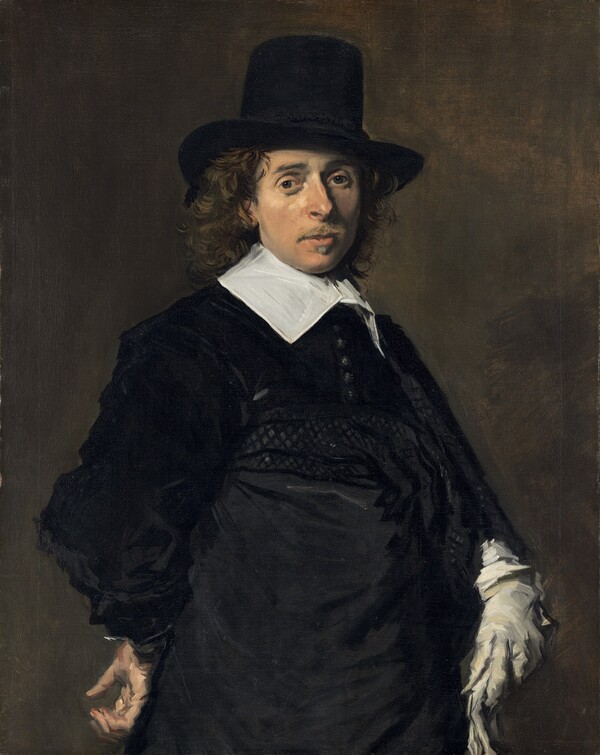
Probably bequeathed by Lord Frederick Campbell [1729-1816] to William Pitt Amherst, 1st earl Amherst of Arracan [1773-1857], Montreal, Sevenoaks, Kent;[1] by inheritance to his son, William Pitt Amherst, 2nd earl Amherst of Arracan [1805-1886]; by inheritance to his son, William Archer Amherst, 3rd earl Amherst of Arracan [1836-1910]; by inheritance to his brother, Hugh Amherst, 4th earl Amherst of Arracan [1856-1927];[2] (Sedelmeyer Gallery, Paris); sold 13 January 1911 to Peter A.B. Widener, Lynnewood Hall, Elkins Park, Pennsylvania; inheritance from Estate of Peter A.B. Widener by gift through power of appointment of Joseph E. Widener, Elkins Park, Pennsylvania; gift 1942 to NGA.
[1] According to Cornelis Hofstede de Groot, _A Catalogue Raisonné of the Works of the Most Eminent Dutch Painters of the Seventeenth Century..._, 8 vols., trans. from the German edition, London, 1907-1927, 3: 294, the painting was bequeathed by Lord Frederick Campbell to an ancestor of Earl Amherst. According to notes of Edith Standen, Widener's secretary for art, in NGA curatorial files, the painting was bequeathed about 1820 by Lord Frederick Campbell to Lord Amherst. The Getty Provenance Index identified this ancestor of Earl Amherst as William Pitt.
[2] Charles Sedelmeyer, _Illustrated Catalogue of the Eleventh Series of 100 Paintings by Old Masters_, Paris, 1911, no. 11, lists the work as "from the collection of Lord Amherst, in whose family it had been for nearly one hundred years," and the transcript of the bill of sale from Sedelmeyer Gallery to Widener (in NGA curatorial files) repeats this information. "The Earl Amherst" lent the painting to exhibitions in London in 1894 and 1910.
Accession Number
1942.9.29
Medium
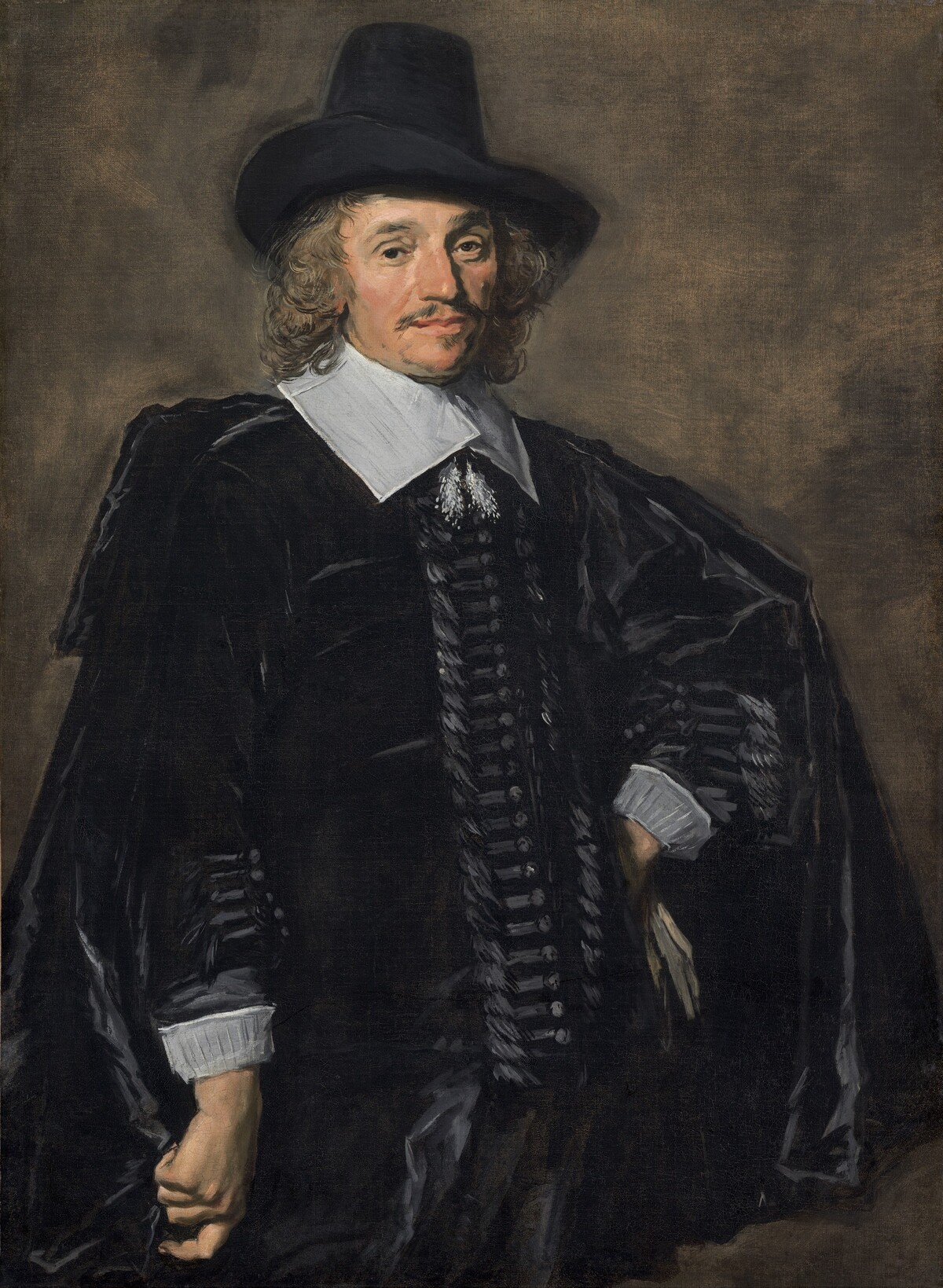
oil on canvas
Dimensions
overall: 114 x 85 cm (44 7/8 x 33 7/16 in.)
Classification
Painting
Credit Line
Widener Collection